TheBinaryKit Blog
Blog
Read about our latest product features, solutions, and updates.
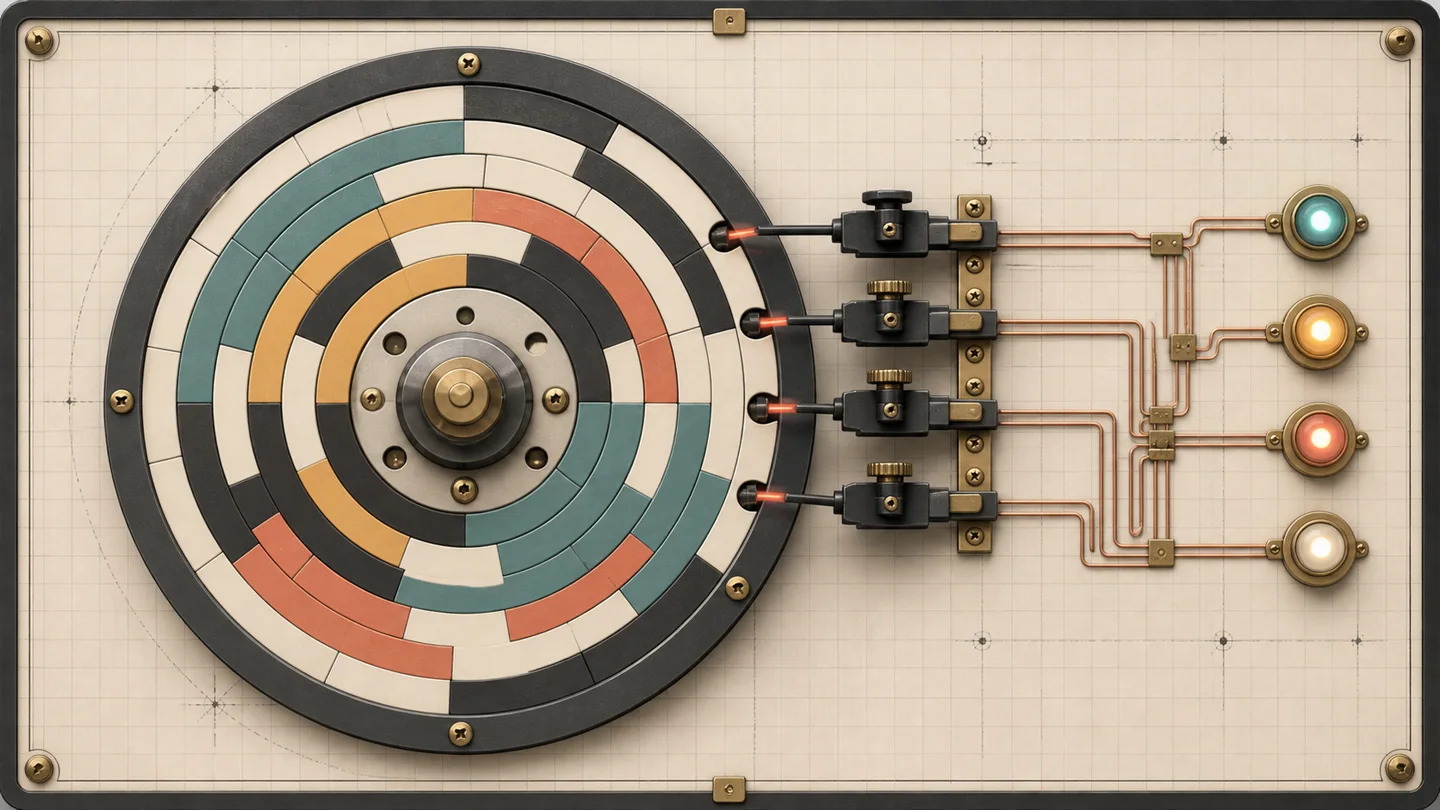
Gray Code: Sequence, Conversion, and Practical Uses
Learn how Gray code changes one bit at a time, how to build and convert the reflected sequence, and why encoders and digital systems use it.
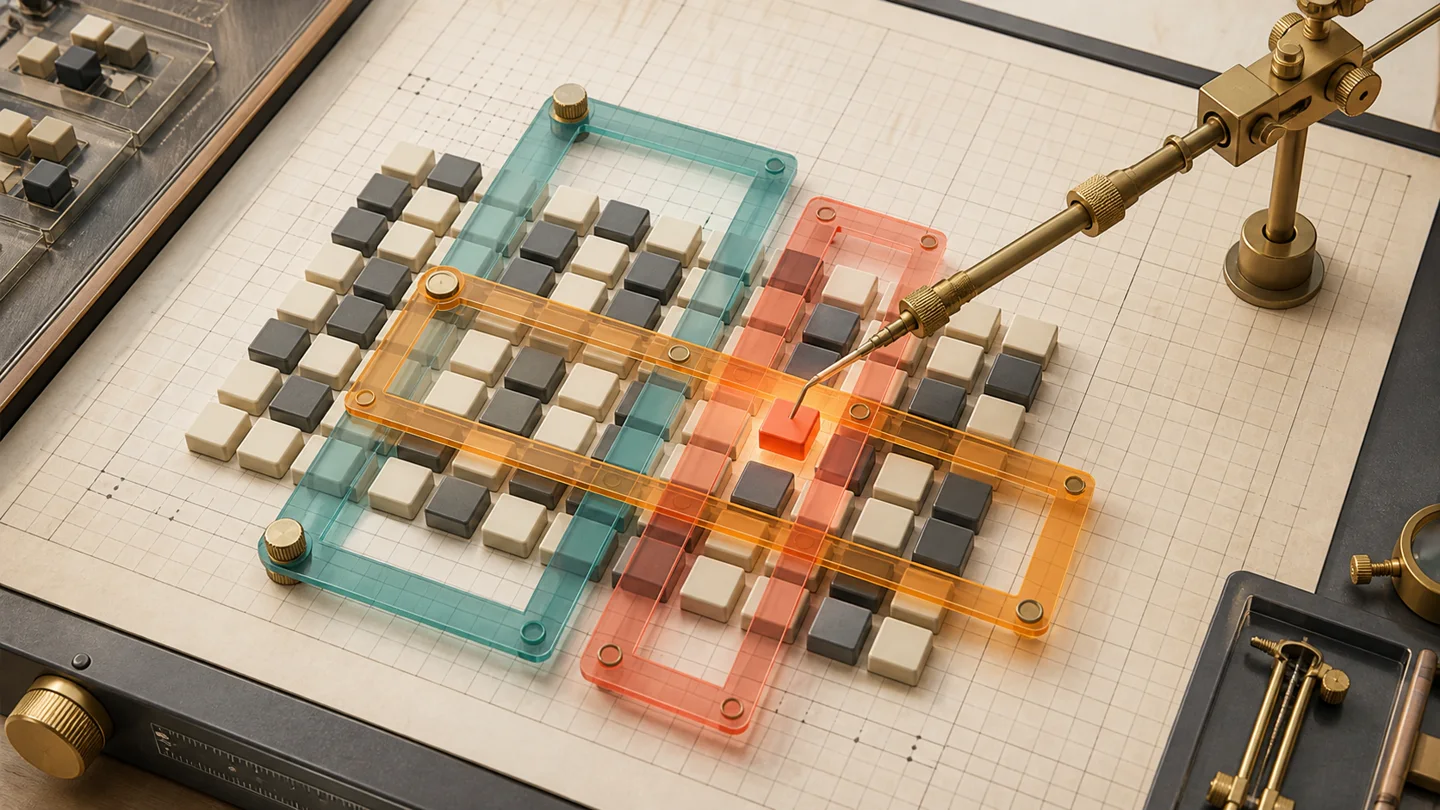
Hamming Code: Error Correction, Parity Bits, and Examples
Learn how Hamming code places parity bits, calculates a syndrome, corrects a one-bit error, and extends to SECDED with a worked Hamming(7,4) example.
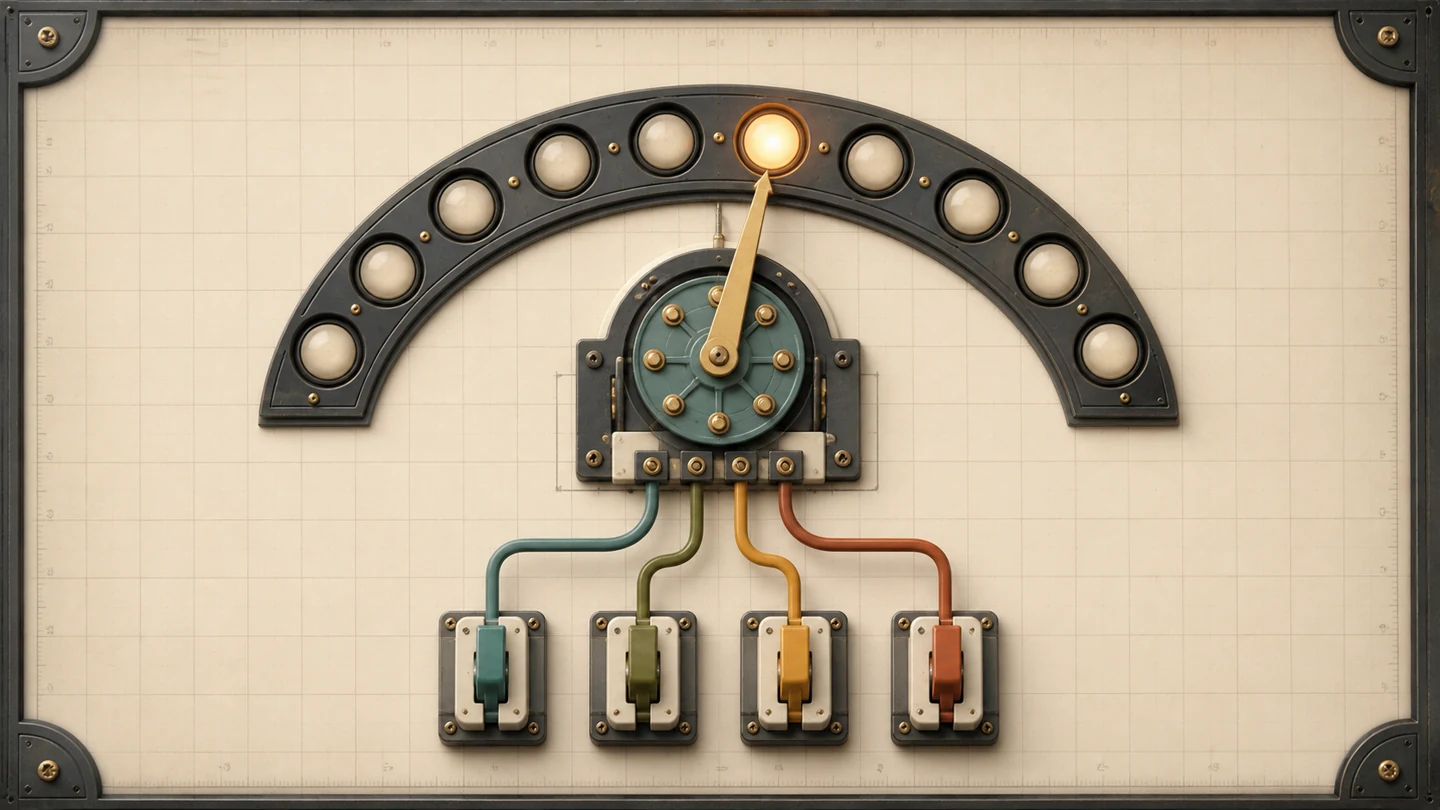
Binary Coded Decimal: BCD Code, Tables, and Examples
Learn how binary coded decimal represents each decimal digit with four bits, including the BCD table, conversions, arithmetic corrections, and real uses.
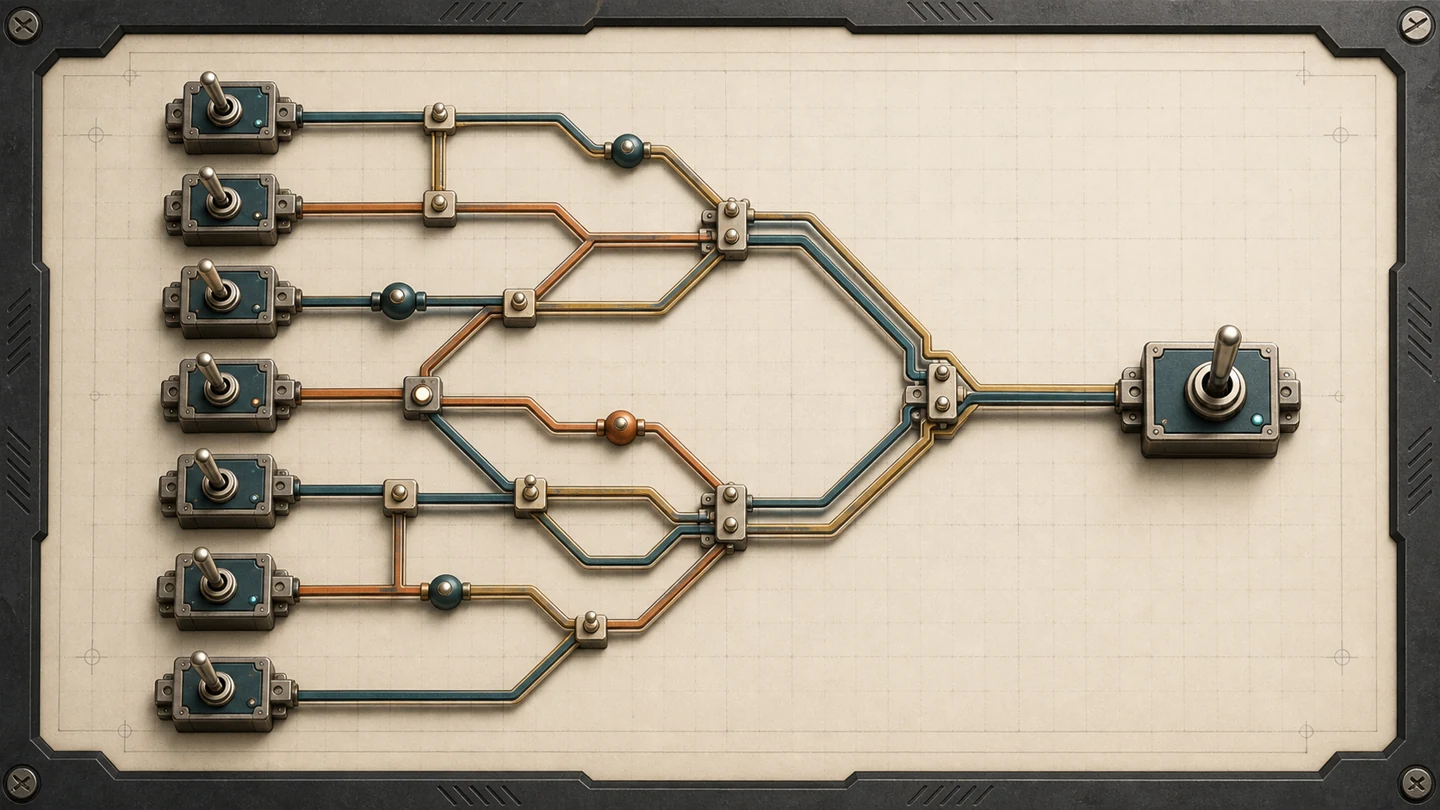
Boolean Algebra: Laws, Truth Tables, and Simplification
Learn Boolean algebra with truth tables, core laws, De Morgan's laws, worked simplification examples, and practical digital logic applications.
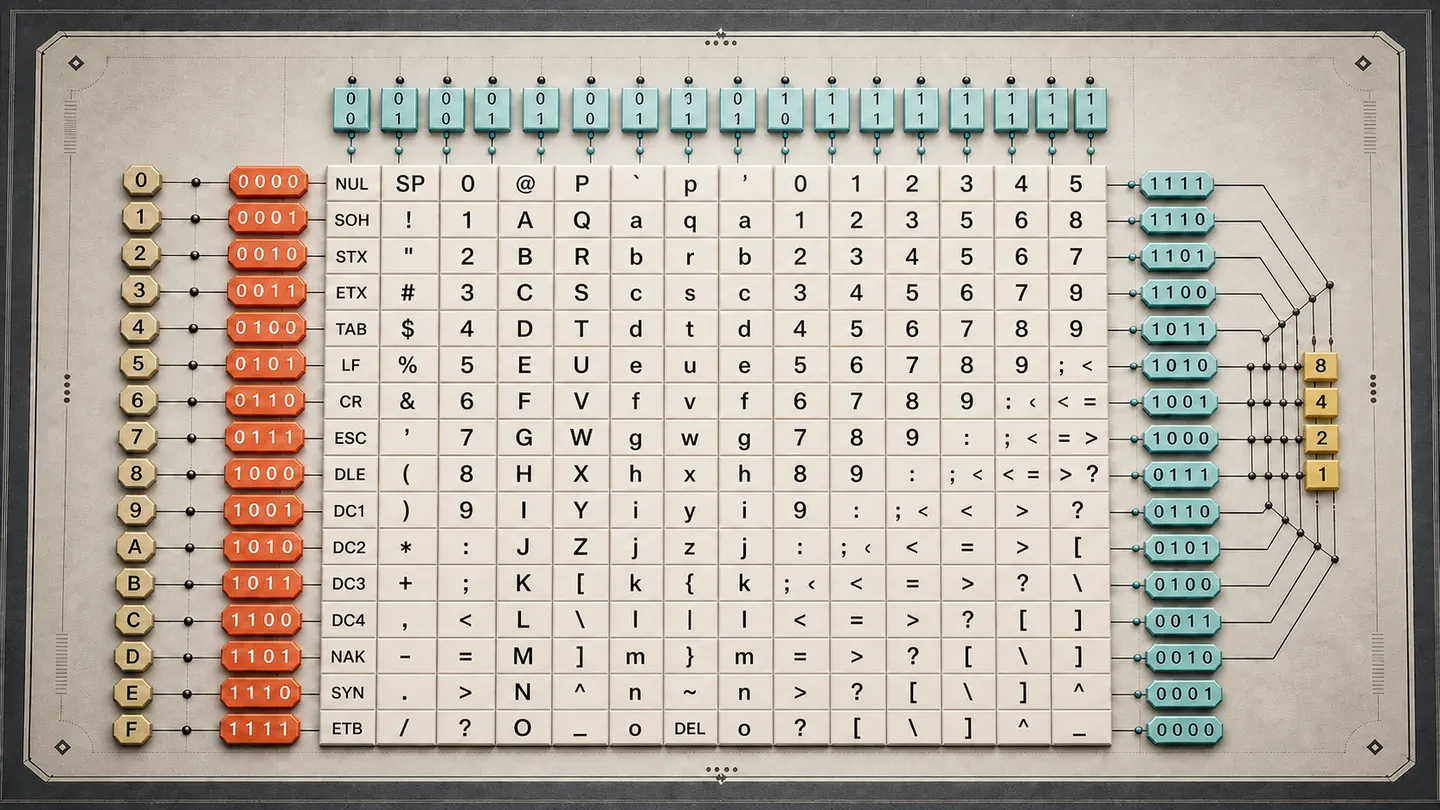
ASCII Table: Codes 0-127 in Decimal, Hex, and Binary
Use the complete ASCII table to find codes 0-127 in decimal, hexadecimal, and binary, with control characters, printable symbols, and examples.
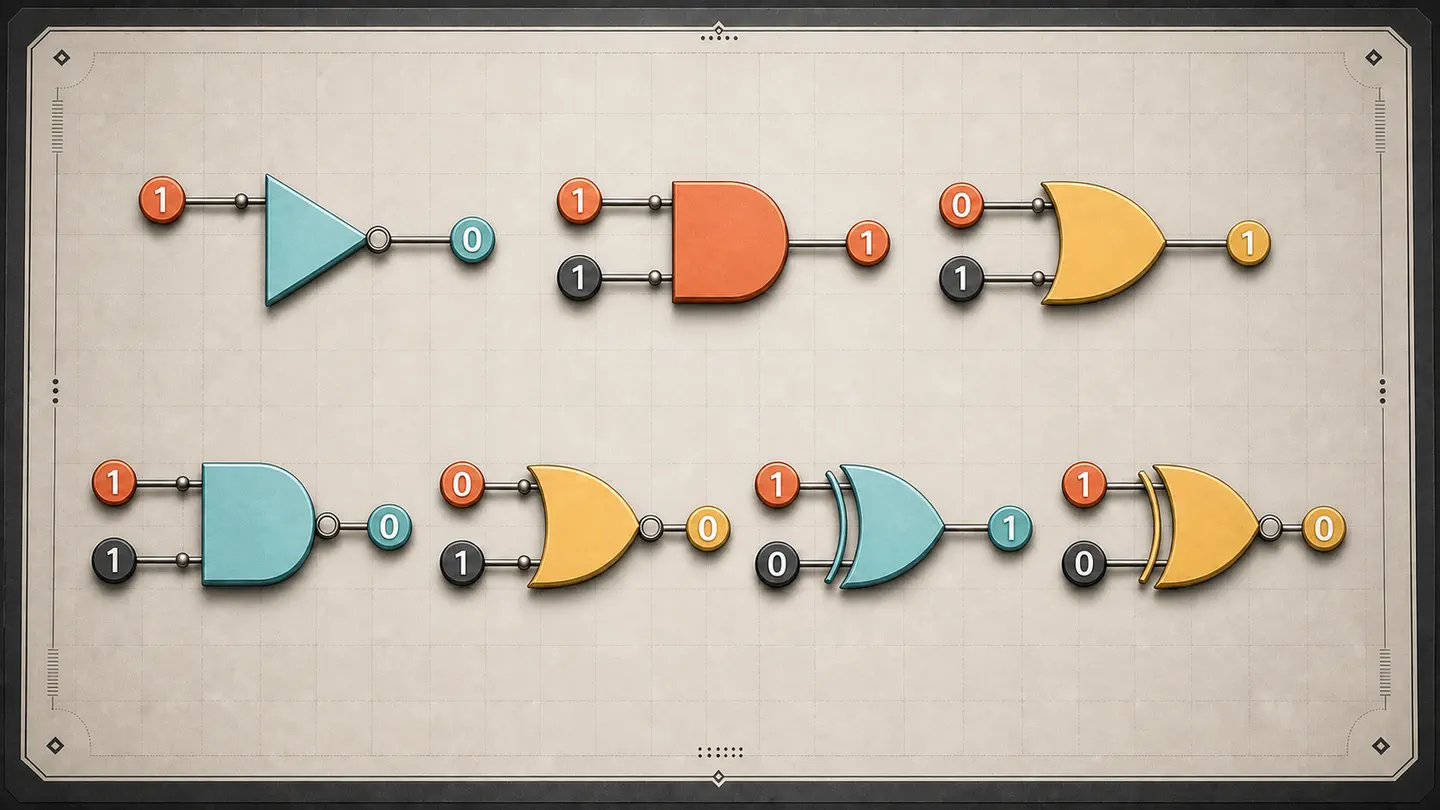
Logic Gates: Symbols, Truth Tables, and Types
Learn the seven basic logic gates with symbols, Boolean expressions, truth tables, examples, universal gates, and their role in digital circuits.
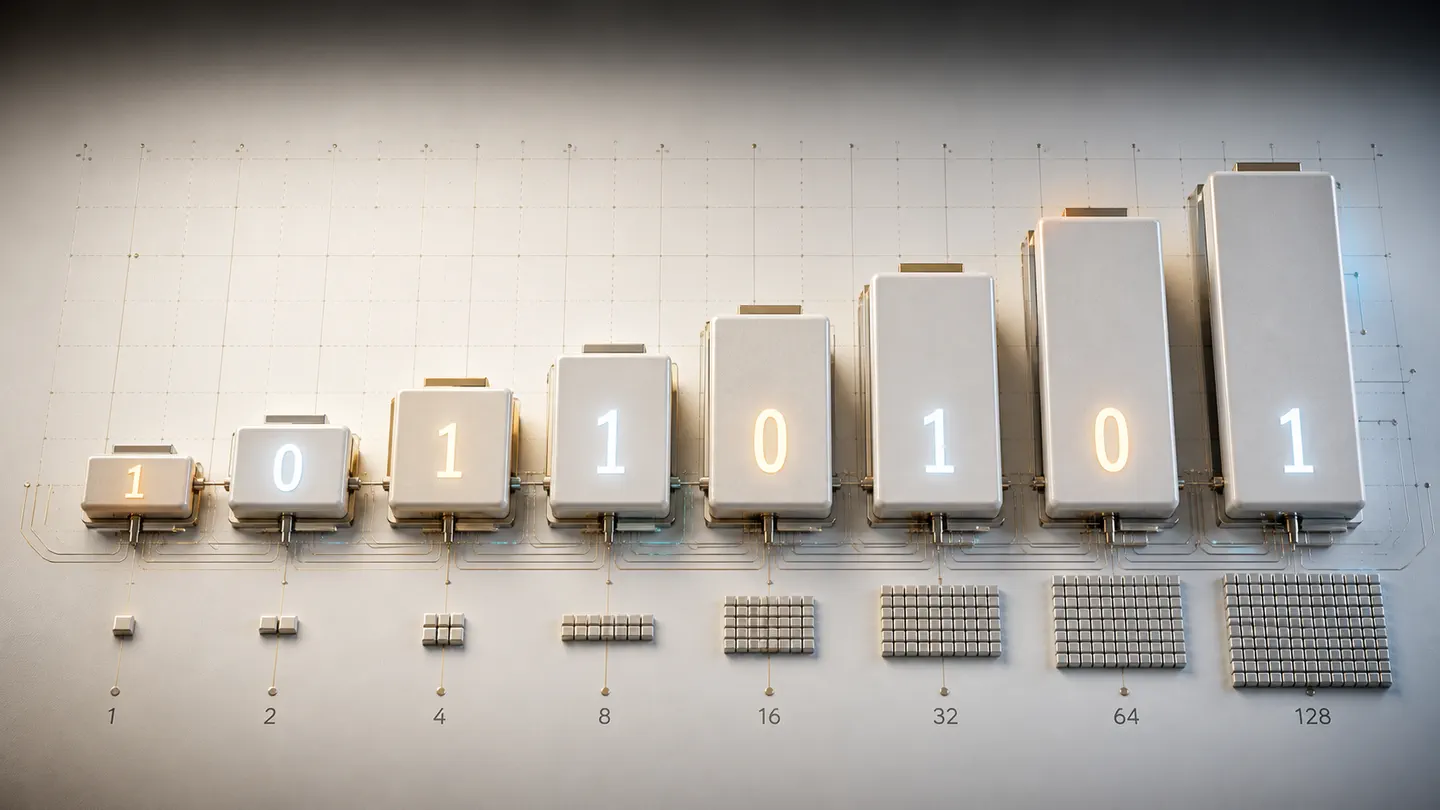
Binary Number System: Place Values, Ranges, and Examples
Learn how the binary number system uses base-2 place values, how to convert and count binary numbers, and how bit width determines unsigned and signed ranges.
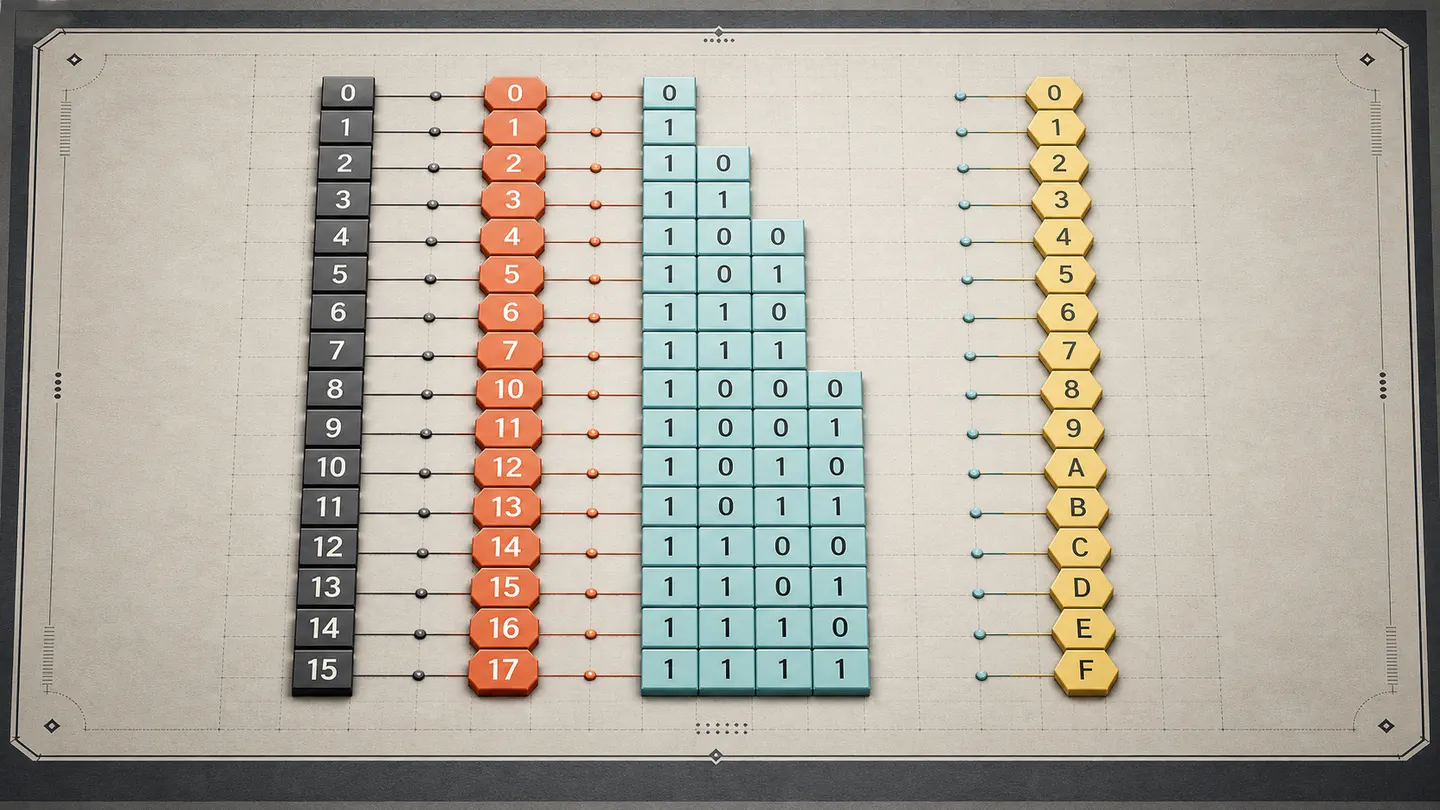
Binary Table 0–100: Decimal, Octal, and Hex Chart
Use this binary table from 0 to 100 to compare decimal numbers with binary, octal, and hexadecimal values, plus learn how to read conversion boundaries.
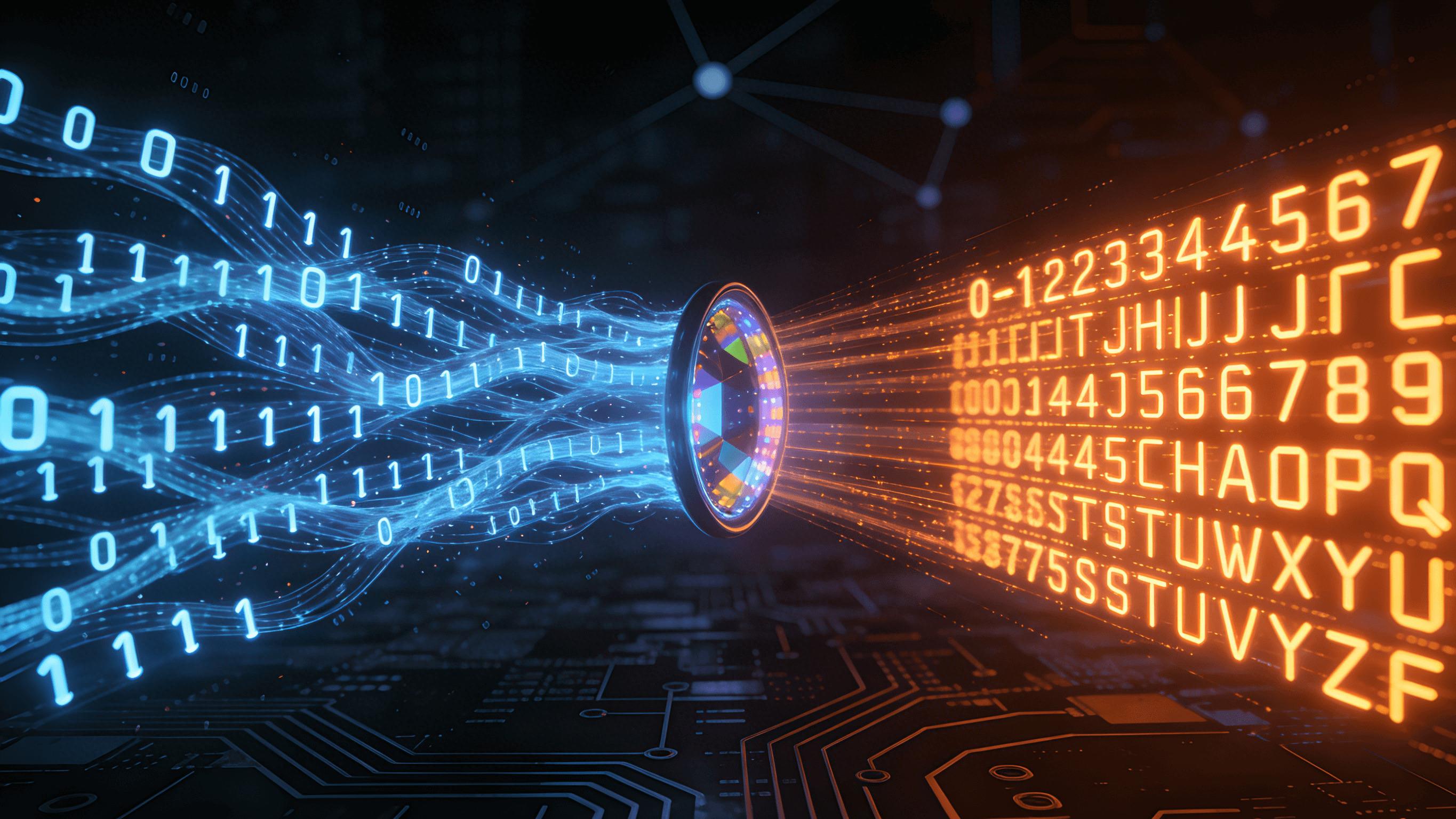
How to Convert Binary to Hexadecimal: The Ultimate Step-by-Step Guide
Master the art of converting binary to hexadecimal. From manual step-by-step methods and conversion tables to using Python scripts, this guide covers everything you need to know about Base-2 and Base-16 systems.
What is Binary? The Comprehensive Guide to the Language of Computers
Discover the fundamental language of the digital world. This deep dive explains what binary is, how it works, its history, and why computers rely on 0s and 1s to function.